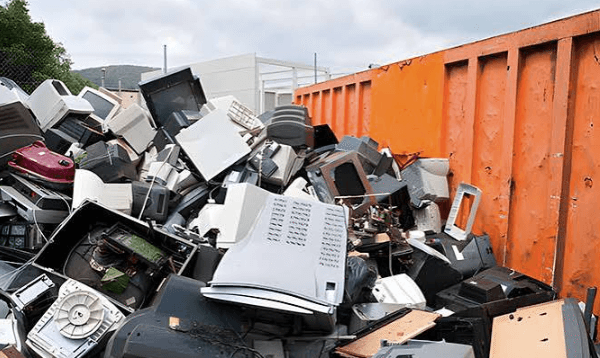
The global demand for refurbished smartphones, tablets, and laptops has grown rapidly as businesses and consumers look for cost-effective and environmentally responsible technology solutions. Device refurbishment extends hardware life cycles, reduces electronic waste, and creates new revenue opportunities. However, alongside these benefits comes one of the most critical concerns in the refurbishment ecosystem: data protection.
Every device contains sensitive information, from personal photos and emails to corporate credentials and confidential business files. If this data is not permanently erased before resale or reuse, organizations face serious legal, financial, and reputational risks. This is why implementing a certified mobile data wipe process has become essential for refurbishment companies, IT asset disposition providers, and enterprises managing device lifecycles.
This article explores the major data protection challenges in device refurbishment and practical solutions that ensure secure, compliant, and trustworthy operations.
The Growing Importance of Data Security in Refurbishment
Modern mobile devices store far more information than most users realize. Even after a factory reset, recoverable traces of data may remain on storage components. As refurbished device markets expand globally, improper data removal has become a leading source of data breaches.
Businesses upgrading employee devices, telecom operators handling trade-ins, and refurbishment vendors must guarantee that no recoverable data leaves their control. Regulatory frameworks such as GDPR, HIPAA, and regional privacy laws further increase accountability.
Why Refurbished Devices Require Special Security Attention
Unlike new devices, refurbished hardware has already been used in real-world environments where sensitive information accumulates over time. These devices may contain:
- Personal user accounts
- Financial information
- Corporate communications
- Authentication credentials
- Stored application data
Without professional erasure processes, this information may remain accessible.
Key Data Protection Challenges in Device Refurbishment
1. Incomplete Data Erasure
One of the most common challenges is assuming that deleting files or performing a factory reset permanently removes data. Many storage systems only remove file references rather than overwriting the underlying data.
Hidden Risks of Factory Resets
Factory resets often leave recoverable fragments because:
- Storage sectors are not fully overwritten
- Cached system files remain intact
- Temporary data survives deletion
- Recovery software can reconstruct files
2. Variety of Device Types and Operating Systems
Refurbishers handle devices from multiple manufacturers and software environments, each requiring unique wiping protocols.
Platform Complexity Challenges
Common operational difficulties include:
- Android version fragmentation
- iOS activation lock management
- Differences in flash storage architecture
- Encryption variations between models
Standardizing processes across all devices becomes difficult without automated solutions.
3. High Processing Volumes
Large refurbishment centers must process thousands of devices daily. Manual procedures increase risks and slow productivity.
Operational Risks at Scale
High-volume environments may experience:
- Devices skipped during wiping stages
- Technician errors
- Inconsistent wipe quality
- Delayed processing timelines
Automation becomes necessary to maintain both speed and security.
4. Compliance and Audit Requirements
Organizations must demonstrate verified proof that sensitive information has been removed securely.
Documentation Requirements for Compliance
Audit-ready refurbishment operations typically require:
- Device identification tracking
- Timestamped wipe records
- Method verification reports
- Certification documentation
Without structured reporting, compliance audits become difficult.
5. Chain of Custody Risks
Devices pass through several stages before resale, creating multiple exposure points.
Vulnerable Stages in the Device Lifecycle
Risk often occurs during:
- Device collection programs
- Logistics and transportation
- Temporary storage facilities
- Testing and diagnostics phases
Maintaining strict tracking procedures minimizes unauthorized access.
6. Residual Corporate Access Credentials
Even partially wiped devices may retain system tokens or authentication remnants.
Common Credential Risks
Residual access may include:
- Email synchronization data
- Saved VPN credentials
- Cloud account sessions
- Enterprise application logins
These risks extend beyond the device itself into organizational networks.
Why Traditional Data Deletion Methods Fail
Many refurbishment operations still rely on outdated techniques such as manual formatting or factory resets to remove data from devices. While these methods may appear effective on the surface, modern mobile storage technologies function very differently from traditional hard drives.
Limitations of Conventional Deletion
Traditional deletion approaches fail because modern flash memory uses advanced storage management mechanisms that prevent true overwriting through standard commands. Wear-leveling algorithms continuously redistribute data across memory cells to extend hardware lifespan, meaning deleted files are often relocated rather than permanently removed.
The Role of Certified Data Sanitization
To address these risks, organizations are increasingly adopting certified mobile data wipe solutions that follow internationally recognized data sanitization standards. Certification ensures that data removal processes are structured, validated, and consistently executed across all devices.
Core Features of Certified Wiping Solutions
Professional wiping platforms include advanced capabilities that transform data erasure into a controlled and measurable security process. Automated device recognition allows systems to identify hardware models and apply the correct wiping protocols without manual configuration.
Implementing Secure Refurbishment Workflows
Establishing secure refurbishment workflows is essential for organizations aiming to protect sensitive data while maintaining operational efficiency. A structured workflow ensures that every device follows a consistent path from intake to resale or redeployment, minimizing human error and eliminating security gaps. Without standardized procedures, devices may bypass critical security steps, increasing the risk of data exposure.
Standardize the Intake Process
Security begins when devices first enter refurbishment facilities. The intake stage is one of the most critical points in the device lifecycle because improper handling at this stage can compromise the entire workflow. Organizations should establish clear intake protocols that include registering each device upon arrival, assigning identification through barcode or IMEI tracking, and placing devices in secure storage areas accessible only to authorized personnel..
Automate Data Wiping
Automation improves consistency while reducing reliance on manual handling, which is often the source of processing errors. Automated wiping systems allow multiple devices to be processed simultaneously while applying standardized erasure procedures across all hardware types.
Verification and Reporting
Proof of erasure is critical for compliance and customer assurance, especially in industries governed by strict data protection regulations. Verification processes confirm that wiping procedures have been successfully completed before devices move forward in the lifecycle.
Integration With Asset Management Systems
Connecting wiping platforms with lifecycle management software improves operational visibility and strengthens overall process control. Integrated systems allow organizations to monitor device status in real time while maintaining centralized records for compliance and reporting purposes.
Employee Training and Awareness
Technology alone cannot eliminate data risks. Staff awareness remains a key component of secure refurbishment.
Training Areas That Matter Most
Employees should understand:
- Secure handling procedures
- Data protection regulations
- Proper wipe verification steps
- Incident escalation protocols
A trained workforce strengthens security from within.
Addressing Environmental and Sustainability Goals
Secure data wiping encourages device reuse and responsible recycling.
How Secure Erasure Supports Sustainability
Organizations become more confident in reuse programs because:
- Data privacy concerns are eliminated
- Devices safely re-enter markets
- Electronic waste decreases
- Circular economy initiatives grow
Security and sustainability work together rather than competing priorities.
See also: Affordable Business Class Tickets to India: A Complete Savings Guide
Building Customer Trust in Refurbished Devices
Consumers want assurance that refurbished devices are safe to use.
Trust Factors That Influence Buyers
Customers gain confidence when sellers provide:
- Verified data wipe certification
- Transparent refurbishment processes
- Secure device testing procedures
- Compliance-backed guarantees
Trust directly impacts resale value and brand credibility.
Future Trends in Secure Device Refurbishment
Technology advancements will continue reshaping data protection strategies.
Emerging Innovations
Future refurbishment security may include:
- AI-driven wipe validation
- Remote device sanitization
- Cloud-based certification platforms
- Zero-trust lifecycle management
- Advanced encryption-based erasure techniques
Organizations adopting these innovations early gain competitive advantages.
Practical Steps Organizations Can Take Today
Businesses can immediately strengthen data protection practices by implementing structured policies.
Actionable Security Steps
Organizations should:
- Replace factory resets with certified wiping solutions
- Document data sanitization policies
- Maintain automated audit trails
- Verify every device before resale
- Partner with certified refurbishment providers
Conclusion
Device refurbishment plays a vital role in reducing technology costs and supporting sustainability initiatives. However, without strong data protection practices, refurbished devices can expose organizations to serious security risks.
Challenges such as incomplete deletion, operational complexity, compliance pressure, and credential exposure require structured solutions rather than manual processes. Implementing a certified mobile data wipe ensures sensitive information is permanently removed, verified, and documented according to recognized standards.
As device reuse continues to grow worldwide, secure data sanitization will remain the foundation of trustworthy refurbishment operations. Organizations that prioritize certified erasure not only protect data but also build customer confidence, meet regulatory requirements, and support a safer circular technology economy.