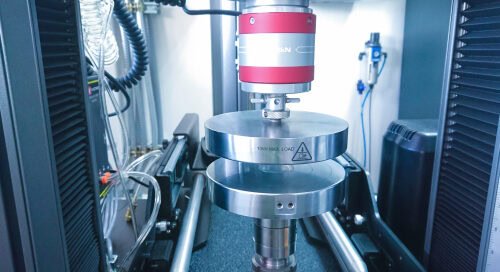
When engineers rely on data to make decisions, there is very little room for uncertainty. A bridge must hold, an aircraft component must endure, and a medical device must perform exactly as intended. Behind these critical assurances lies a controlled environment where materials are pushed, pulled, bent, and tested under carefully defined conditions. This is where mechanical testing becomes not just a procedure, but a science.
For many, mechanical testing may seem straightforward—apply a force and measure the response. In reality, achieving reliable and repeatable results requires a deep understanding of materials, precise instrumentation, and strict adherence to testing protocols. Small variations in setup, sample preparation, or environmental conditions can significantly affect outcomes.
This article takes you inside the lab to explore how reliable mechanical testing results are achieved. It uncovers the scientific principles, technical processes, and human expertise that ensure testing data can be trusted in real-world engineering applications.
Understanding the Core Principles of Mechanical Testing
Mechanical testing is fundamentally about understanding how materials behave under applied forces. It provides measurable data on properties such as strength, ductility, hardness, and toughness. However, these measurements are only meaningful when they are accurate and reproducible.
At the heart of mechanical testing lies the relationship between force and deformation. Engineers analyze how a material responds when stress is applied and how it recovers or fails. This relationship forms the basis for determining whether a material is suitable for a specific application.
Reliability in mechanical testing begins with consistency. Each test must follow standardized procedures to ensure that results can be compared across different laboratories and industries. Without this consistency, even the most advanced testing methods would lose their value.
The Importance of Sample Preparation
One of the most critical yet often underestimated aspects of mechanical testing is sample preparation. The quality of a test specimen directly influences the accuracy of the results.
Materials must be shaped, cut, and finished according to strict specifications. Any irregularities, such as surface defects or uneven dimensions, can introduce errors into the test. For example, a small crack or scratch on a specimen can act as a stress concentrator, leading to premature failure during testing.
Proper preparation also ensures uniformity. When multiple samples are tested, they must be as identical as possible to produce consistent results. This level of precision requires skilled technicians who understand both the material and the testing requirements.
Calibration and Precision of Testing Equipment
Reliable mechanical testing depends heavily on the accuracy of the equipment used. Testing machines must be carefully calibrated to ensure that force, displacement, and other measurements are precise.
Calibration involves comparing the machine’s readings against known standards and making adjustments as needed. This process is performed regularly to maintain accuracy over time. Even minor deviations in calibration can lead to significant errors, especially in high-precision applications.
Modern testing equipment often includes advanced sensors and digital systems that enhance measurement accuracy. However, technology alone is not enough. Regular maintenance and verification are essential to ensure that the equipment continues to perform as expected.
Environmental Control and Its Impact on Results
The environment in which mechanical testing is conducted plays a crucial role in the reliability of results. Factors such as temperature, humidity, and even air pressure can influence material behavior.
For instance, some materials become more brittle at low temperatures, while others may soften under high heat. If these conditions are not controlled or accounted for, the test results may not accurately reflect real-world performance.
Laboratories often use controlled environments to minimize these variables. In some cases, testing is intentionally conducted under specific environmental conditions to simulate real-world scenarios. This approach provides a more comprehensive understanding of how materials will perform in actual applications.
Standardization and Testing Protocols
Standardization is a cornerstone of reliable mechanical testing. Established testing standards define how tests should be conducted, including sample dimensions, loading rates, and measurement methods.
These standards ensure that results are consistent and comparable, regardless of where the testing is performed. They also provide a framework for quality assurance, helping engineers trust the data they receive.
Following standardized protocols requires discipline and attention to detail. Deviations from these procedures can compromise the integrity of the results. This is why laboratories place a strong emphasis on training and adherence to established guidelines.
Data Collection and Interpretation
Collecting data is only part of the process. Interpreting that data correctly is equally important in mechanical testing. Raw measurements must be analyzed to extract meaningful insights about material behavior.
Engineers look for patterns and trends in the data, such as how a material deforms under increasing load or how it responds to repeated stress. These insights help identify potential weaknesses and predict how the material will perform in real-world conditions.
Advanced software tools are often used to process and visualize data. While these tools enhance efficiency, they also require careful use. Misinterpretation of data can lead to incorrect conclusions, which may have serious consequences in engineering applications.
The Role of Human Expertise
Despite advances in technology, human expertise remains a vital component of mechanical testing. Skilled engineers and technicians are responsible for designing tests, preparing samples, operating equipment, and interpreting results.
Experience plays a key role in identifying potential issues and ensuring that tests are conducted correctly. For example, an experienced technician may notice subtle inconsistencies in a specimen or detect unusual patterns in the data that warrant further investigation.
Collaboration is also important. Mechanical testing often involves input from multiple disciplines, including materials science, engineering, and quality control. This collaborative approach helps ensure that testing results are both accurate and relevant.
Challenges in Achieving Reliable Results
Achieving reliable mechanical testing results is not without challenges. Variability in materials, limitations of equipment, and external factors can all introduce uncertainty into the testing process.
One common challenge is dealing with complex materials. Advanced composites and engineered materials may behave differently than traditional metals, requiring specialized testing methods.
Another challenge is balancing precision with efficiency. High-accuracy tests can be time-consuming and resource-intensive. Laboratories must find ways to maintain reliability while meeting practical constraints.
Addressing these challenges requires continuous improvement. Laboratories invest in new technologies, refine their processes, and enhance training to ensure that their testing methods remain effective.
The Future of Mechanical Testing in Laboratories
The field of mechanical testing is evolving rapidly, driven by advancements in technology and increasing demands for accuracy. Digital tools, automation, and real-time monitoring are transforming how tests are conducted and analyzed.
Automation reduces the risk of human error and increases efficiency, allowing laboratories to handle larger volumes of testing without compromising quality. Real-time monitoring provides immediate insights into material behavior, enabling faster decision-making.
There is also a growing focus on integrating physical testing with simulation. By combining experimental data with computational models, engineers can gain a more comprehensive understanding of material performance.
As these technologies continue to develop, the science behind mechanical testing will become even more precise and reliable.
Frequently Asked Questions (FAQ)
What is mechanical testing?
Mechanical testing is the process of evaluating how materials respond to applied forces, such as tension, compression, and impact. It helps determine properties like strength, flexibility, and durability.
Why is reliability important in mechanical testing?
Reliability ensures that test results are accurate and consistent. Engineers depend on this data to make critical decisions about material selection and design.
How does sample preparation affect test results?
Sample preparation is crucial because imperfections or inconsistencies in the specimen can lead to inaccurate results. Proper preparation ensures uniformity and reliability.
What role does calibration play in mechanical testing?
Calibration ensures that testing equipment provides accurate measurements. Regular calibration is essential for maintaining the integrity of test results.
Can environmental conditions impact mechanical testing?
Yes, factors like temperature and humidity can significantly affect material behavior. Controlling or accounting for these conditions is essential for accurate testing.
Is mechanical testing fully automated?
While automation is increasing, human expertise remains essential for designing tests, interpreting data, and ensuring accuracy.
What industries rely on mechanical testing?
Mechanical testing is used in industries such as construction, automotive, aerospace, manufacturing, and energy to ensure safety and performance.
Conclusion
Reliable mechanical testing is the result of a carefully controlled and scientifically grounded process. From precise sample preparation to accurate equipment calibration and thoughtful data interpretation, every step plays a crucial role in ensuring trustworthy results.
As engineering challenges become more complex, the importance of reliable mechanical testing continues to grow. It provides the foundation for safe designs, high-quality products, and long-lasting performance.
By understanding the science behind mechanical testing, we gain a deeper appreciation for the precision and expertise required to produce reliable data. This knowledge not only strengthens confidence in testing results but also highlights the critical role mechanical testing plays in shaping the future of engineering.