Introduction
In today’s rapidly evolving technological landscape, businesses frequently upgrade their IT infrastructure to stay competitive. Servers, being the backbone of organizational operations, often become outdated within a few years due to performance limitations, increased workloads, or advancements in technology. Instead of letting old servers gather dust or disposing of them improperly, selling your old servers can be a smart, sustainable, and profitable decision.
This article explores everything you need to know about selling old servers—from understanding their value and preparing them for resale to leveraging professional ITAD services for a seamless and secure process.
Why Sell Your Old Servers?
1. Recover Financial Value
Sell your old servers still hold significant value, especially if they are in working condition or contain reusable components such as processors, RAM, or storage drives. Selling them allows businesses to recover a portion of their initial investment, which can be redirected toward upgrading infrastructure.
2. Reduce Storage and Maintenance Costs
Unused servers occupy valuable physical space and may require maintenance or monitoring. By selling them, organizations can free up space and eliminate unnecessary overhead costs.
3. Support Sustainability
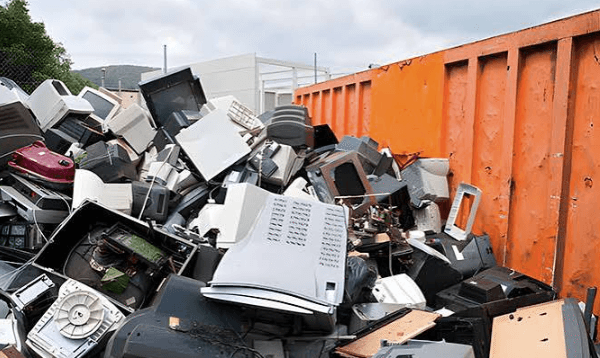
Electronic waste is a growing global concern. Selling old servers contributes to reuse and recycling, reducing environmental impact and promoting a circular economy.
4. Improve Operational Efficiency
Clearing out outdated hardware helps organizations streamline their IT environment, making it easier to manage and maintain current systems.
Understanding the Value of Your Old Servers
Before selling your servers, it is important to assess their market value. Several factors influence how much your equipment is worth:
1. Age and Condition
Newer servers in good working condition command higher prices. Servers with minimal wear and proper maintenance history are more attractive to buyers.
2. Specifications
High-performance components such as multi-core processors, large memory capacity, and high-speed storage increase resale value.
3. Brand and Model
Well-known brands like Dell, HP, and IBM often retain value better due to reliability and demand in the secondary market.
4. Market Demand
Certain server models may be in higher demand depending on industry trends and compatibility with existing systems.
Preparing Servers for Sale
Proper preparation is essential to ensure a successful sale and protect sensitive data.
1. Data Backup
Before removing any data, ensure that all important files and configurations are securely backed up. This prevents data loss and ensures business continuity.
2. Data Erasure
Completely wiping data from storage devices is critical. Simply deleting files is not sufficient, as data can still be recovered. Use professional-grade data wiping tools or services to ensure complete data destruction.
3. Hardware Inspection
Inspect servers for any physical damage or missing components. Repairing minor issues can significantly improve resale value.
4. Documentation and Licensing
Gather relevant documentation such as purchase invoices, warranties, and software licenses. This adds credibility and value to the sale.
5. Cleaning and Packaging
Clean the hardware thoroughly and package it securely. A well-presented server is more appealing to potential buyers.
Where to Sell Your Old Servers
There are multiple channels through which businesses can sell their used servers:
1. Online Marketplaces
Platforms like eBay and specialized IT equipment marketplaces allow sellers to reach a wide audience. However, this method may require more effort in terms of listing, negotiation, and shipping.
2. Resellers and Brokers
IT equipment resellers and brokers purchase used servers in bulk and handle the resale process. This is a convenient option for businesses looking to offload multiple units quickly.
3. Direct Sales
Selling directly to other businesses or startups can yield better prices, especially if the equipment meets specific needs.
4. ITAD Services Providers
Professional ITAD services (IT Asset Disposition services) offer end-to-end solutions for selling, recycling, or disposing of old IT equipment. These providers handle everything from valuation and data destruction to logistics and resale.
The Role of ITAD Services in Server Resale
ITAD services play a crucial role in simplifying the process of selling old servers while ensuring compliance and security.
1. Comprehensive Asset Management
ITAD providers assess the value of your servers, categorize them based on condition, and determine the best resale strategy.
2. Secure Data Destruction
One of the biggest concerns when selling servers is data security. ITAD services use certified data wiping or destruction methods to ensure that no sensitive information remains.
3. Regulatory Compliance
Organizations must comply with various data protection and environmental regulations. ITAD services ensure that all processes meet legal and industry standards.
4. Logistics and Handling
From dismantling and packing to transportation, ITAD providers manage the entire logistics process, reducing the burden on your internal team.
5. Maximizing Returns
With their expertise and market connections, ITAD services can help businesses achieve better resale value for their equipment.
See also: Page Traffic 900406643 With Technical SEO
Benefits of Selling Old Servers Through ITAD Services
Choosing ITAD services offers several advantages:
- Time Efficiency: Saves time by outsourcing the entire process
- Risk Reduction: Minimizes the risk of data breaches
- Higher Returns: Professional valuation ensures competitive pricing
- Environmental Responsibility: Ensures proper recycling of non-reusable components
- Audit Support: Provides documentation for compliance and reporting
Common Mistakes to Avoid
When selling old servers, businesses should be aware of common pitfalls:
1. Ignoring Data Security
Failing to properly erase data can lead to serious security breaches and legal consequences.
2. Undervaluing Equipment
Selling servers without proper valuation may result in financial loss.
3. Poor Documentation
Lack of records can complicate the sale and reduce buyer confidence.
4. Choosing Unreliable Buyers
Working with unverified buyers can lead to fraud or non-payment issues.
5. Delaying the Sale
The value of IT equipment depreciates quickly. Delaying the sale can significantly reduce returns.
Environmental Impact of Server Resale
Selling old servers is not just financially beneficial—it also has a positive environmental impact.
1. Reducing E-Waste
By extending the lifecycle of servers, businesses can reduce the amount of electronic waste sent to landfills.
2. Conserving Resources
Reusing components reduces the need for manufacturing new hardware, conserving raw materials and energy.
3. Supporting Green Initiatives
Organizations that adopt sustainable practices enhance their corporate social responsibility (CSR) profile.
Future Trends in IT Asset Disposition
The ITAD industry is evolving to meet the growing demand for secure and sustainable IT asset management.
1. Increased Automation
Automation tools are being integrated into ITAD processes to improve efficiency and accuracy.
2. Focus on Data Security
With rising cyber threats, data security will remain a top priority in server resale and disposal.
3. Circular Economy Adoption
More businesses are embracing circular economy principles, emphasizing reuse and recycling.
4. Advanced Tracking Systems
Improved tracking and reporting systems will enhance transparency and accountability in ITAD services.
Conclusion
Selling your old servers is a strategic move that offers financial, operational, and environmental benefits. By properly preparing your equipment, understanding its value, and choosing the right sales channel, you can maximize returns while minimizing risks.
Leveraging professional ITAD services further simplifies the process, ensuring secure data destruction, regulatory compliance, and efficient logistics. As businesses continue to upgrade their IT infrastructure, adopting responsible server resale practices will play a vital role in sustainable and secure technology management.
In a world driven by data and innovation, managing outdated hardware effectively is not just an option—it is a necessity.