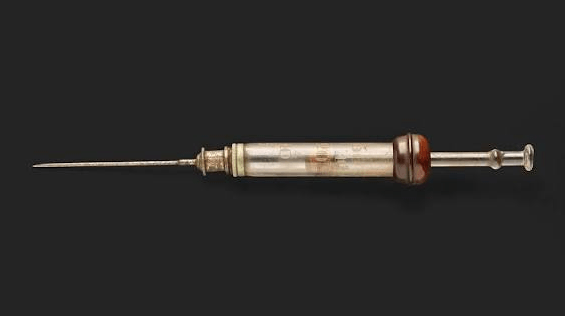
Building on general component awareness, taking a closer, more detailed look at the parts of syringe design reveals additional nuances relevant to understanding how these devices achieve reliable, accurate function across different applications. This overview explores these components in greater depth.
Barrel Material and Transparency Requirements
The barrel material, typically medical-grade plastic in modern disposable syringes, needs to maintain sufficient transparency to allow clear visibility of both the fluid contents and the calibration markings, a functional requirement that directly influences material selection during manufacturing.
Calibration Marking Precision and Readability
The calibration markings printed along the barrel need to balance precision, offering fine enough gradation for accurate dosing, against practical readability, ensuring users can clearly distinguish between adjacent markings without requiring magnification or excessive squinting.
Plunger Rod Design for Smooth Operation
The plunger rod, the elongated component users push and pull to operate the syringe, needs sufficient rigidity to transmit force effectively to the seal at its tip while remaining comfortable to grip and manipulate during actual use.
Tip Design Variation Across Syringe Categories
As covered in broader syringe type discussions, tip design varies considerably depending on intended connection purpose, whether luer lock, luer slip, catheter tip, or eccentric tip configurations, each representing a distinct engineering solution suited to different connection requirements.
See also: AOD-9604 for Sale Online: I Ran the Six-Point Test, and Half the Field Scored Zero
The Critical Role of Seal Material Selection
The material used for the plunger seal needs to balance effective sealing performance against smooth, low-friction movement within the barrel, since a seal that’s too tight creates difficult, jerky plunger movement while one that’s too loose risks fluid leakage.
Manufacturing Precision Supporting Component Function
Achieving reliable function across all these components requires precise manufacturing tolerances, ensuring consistent fit between the plunger and barrel and accurate calibration marking placement across mass production volumes.
Exploring Detailed Component Specifications
For a more thorough technical exploration of these design nuances, reviewing information on the parts of syringe design helps clarify the engineering considerations behind reliable, everyday syringe function.
Frequently Asked Questions
Why does barrel transparency matter for syringe design? Sufficient barrel transparency allows clear visibility of both the fluid contents and calibration markings, a functional requirement that directly influences material selection during manufacturing.
What tension exists in plunger seal material selection? Seal material needs to balance effective sealing performance against smooth, low-friction movement within the barrel, since a seal too tight creates difficult plunger movement while one too loose risks fluid leakage.
Why does manufacturing precision matter for syringe components? Precise manufacturing tolerances are needed to ensure consistent fit between the plunger and barrel and accurate calibration marking placement across mass production volumes.
Final Thoughts
Taking a closer look at syringe component design reveals the engineering considerations behind achieving reliable, accurate function in everyday medical devices. This deeper understanding supports appreciation for the manufacturing precision and material selection decisions underlying seemingly simple, familiar equipment.